


Stochastic Collision Risk Modelling (CRM)
We utilise modern onshore and offshore stochastic collision risk models (sCRM) to assess collision risk and mitigate the impacts of wind farms on threatened bird populations. Our approach includes:
-
Site Assessments: Assessment of collision risk annually and monthly for threatened or migratory species within project footprints.
-
Collision Risk Modelling: Our modelling is based on site-specific bird utilisation survey data or GPS telemetry data.
-
Design Optimisation: Stochastic CRMs assist with optimising turbine layout to reduce collision risks for threatened or protected bird species.
-
Impact Mitigation: Development of mitigation strategies including pre-operational and operational strategies, such as seasonal turbine shutdowns, to minimise risks during peak migration periods if required.
GPS Tracking & Flight Modelling
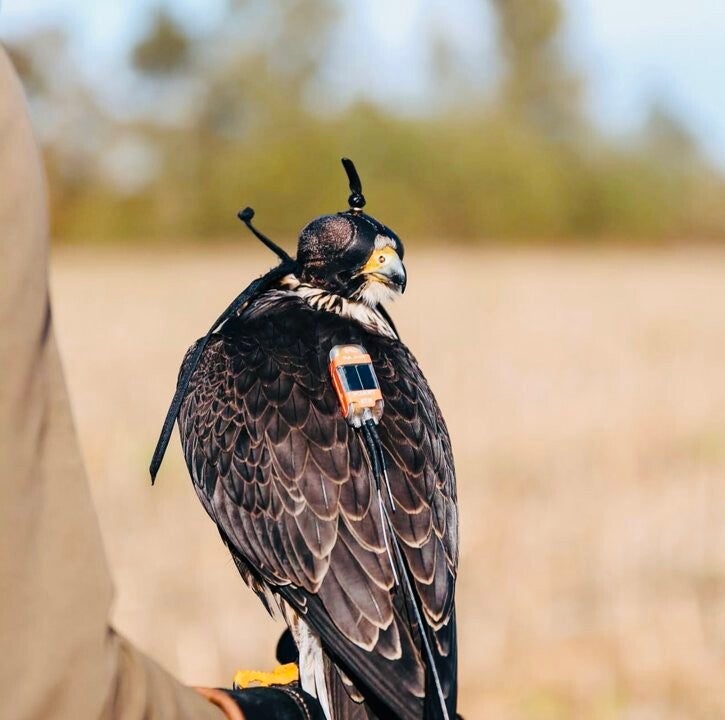
We specialise in GPS tracking of birds ranging from small migratory species such as White-throated Needletail, medium sized raptors to large wetland birds and raptors such as Brolgas and Eagles using state of the art GPS technology.
-
GPS Telemetry Services: Real-time tracking of bird movements and interactions with wind turbines, providing crucial high resolution flight metric data to determine core area buffer zones (nest and foraging sites), and inform CRMs, risk assessments and site planning.
-
Flight Modelling: Advanced flight path modelling to determine and predict avian movement patterns, aiding in collision risk assessment and mitigation planning.
-
Study Design and Planning: Comprehensive study setup, including defining objectives and survey design, planning and logistics for bird capture, budgeting through to data management, analysis and reporting.
-
Field Operations Support: We organise and conduct bird capture and transmitter attachment, using species-specific methods to ensure efficient, successful capture and transmitter deployment.
-
Transmitter Management: Day-to-day oversight and management of transmitter operations, including monitoring power consumption, solar recharge, and adjusting duty cycles to align with bird behaviour.

Image: Flight modelling of eagle GPS tracks to inform collision risk modelling and turbine layout

Kernel density analysis
Kernel Density Analysis (KD) is used to estimate the density of occurrences / locations (GPS tracking points or field observations) over a geographic area. In ecology, it helps identify areas where species, habitats, or environmental features are concentrated.
- Hotspot Identification: KD pinpoints areas with high concentrations of species activity (e.g., nest sites, foraging, migration stopovers) to determine core areas and buffer zones to minimise disturbance.
- Movement Pathway Analysis: Identifies frequent wildlife routes for pre-development site assessments and minimising interactions with infrastructure.
- Wildlife Management & Planning: KD Identifies important areas and critical habitats for focused management efforts.
- Risk Assessment For Infrastructure Projects: Shows where human activities intersect with wildlife, guiding impact mitigation.
- Temporal Density Analysis: Track changes in species density or activity patterns due to seasonal shifts, migratory windows or human activities.

Species distribution modelling (SDM)
Species Distribution Modelling (SDM) is a powerful ecological tool used to predict the geographical distribution of species based on environmental conditions and occurrence data. It provides crucial insights for spatial planning, turbine layouts, environmental impact assessments, and ecological research.
- Predictive Maps Of Species Distribution: SDMs use species presence data and environmental variables (e.g., temperature, precipitation) to predict species occurrence at project sites and other areas.
- Habitat Suitability Analysis: Identifies suitable and unsuitable habitats for at-risk species to minimise impacts whilst optimising site design and layout.
- Informed Project Planning: Pinpoints areas suitable for wind energy projects at broad and fine spatial scales.
- Risk Assessment For Developments: Assesses potential species impacts from proposed developments, guiding mitigation strategies.
- Support For Environmental Impact Assessments (EIAs): Provides evidence-based predictions of species presence and habitat quality for regulatory compliance.

Fauna & Flora Surveys
We undertake fauna surveys, specialising in threatened bird, bat and terrestrial mammals.
- Pre-Construction Assessments: Comprehensive BUS, BACI and Vantage Point surveys to characterise bird and bat species present in proposed project areas prior to construction.
- On-site assessments of species presence and abundance to determine potential impacts on local wildlife and facilitate the approvals process (on-ground surveys and/or remote monitoring systems, e.g. radar and high-resolution camera systems).
-
Activity Monitoring: Use of acoustic monitoring and field survey techniques to identify cryptic and nocturnal bird and bat species at proposed wind farm sites.
-
Mitigation Strategies: Development of tailored mitigation measures to minimise impacts on birds, bats and other threatened fauna prior to, during and after construction.
-
Regulatory Compliance: Ensuring regulatory requirements are met, facilitating a smooth approval process.
- Bird & Bat Management Plans: We develop species and site specific, adaptive bird and bat management plans, including high level reporting in line with client needs.

Mammal Surveys
We offer non-invasive, camera trap mammal surveys throughout the entire project cycle. Our surveys are designed to collect valuable data on both common and threatened mammal species, ensuring informed decision-making, compliance and effective management of threatened and sensitive species.

